
"Ethiopia natural coffee"
5000 article(s) found
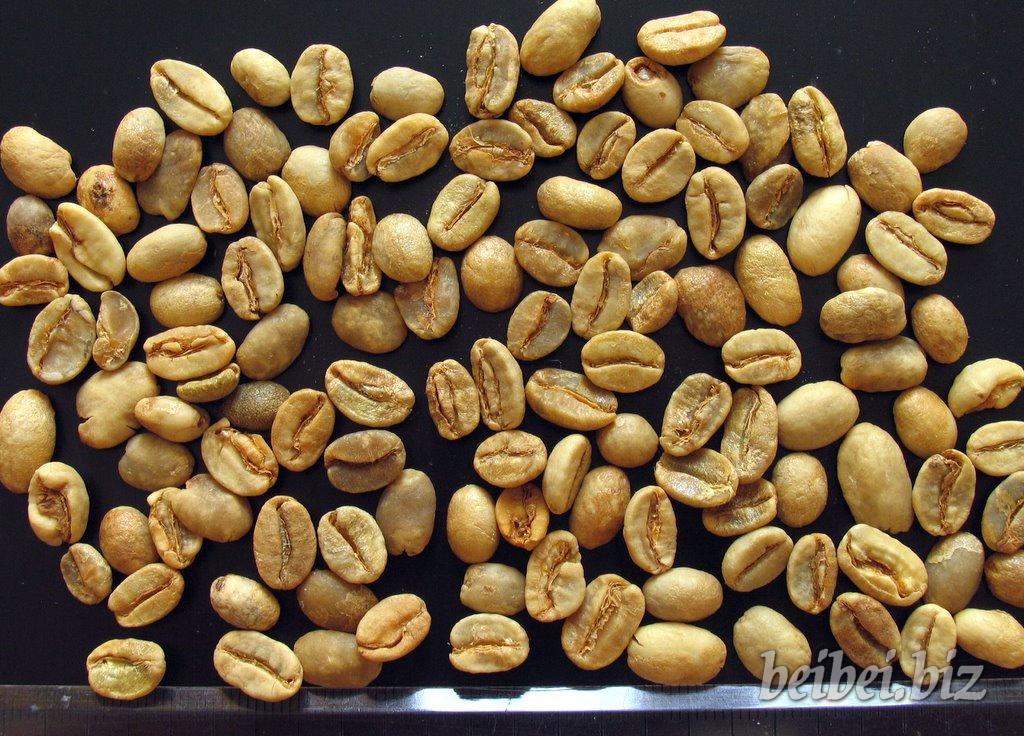
Boutique coffee beans: Ethiopian Harald mocha coffee beans (Ethiopian Harar mocha
Ethiopian Harald mocha beans (Ethiopian Harar mocha) lightly roasted Harald coffee beans, brewed in a siphon coffee pot, really have a hint of citrus aroma! This Harald harar raw coffee bean looks like grade 5, irregular, long beans (longer flat beans), short flat beans, round beans, cracked beans, mutated beans, etc.

Introduction to the flavor and taste characteristics of the charming Ethiopian boutique coffee bean manor.
A large amount of coffee production (95%) is done by small shareholders, with an average yield of 561 kg per hectare. For centuries, minority holders of Ethiopian coffee farms have been producing a variety of high-quality types of coffee. The secret of producing high-quality coffee is that coffee growers have developed environmental conditions through generations of repeated learning about the coffee planting process.

18-year new production season Ethiopian coffee recommended: Cedar Mohambela Sakuran 2.0
Professional coffee knowledge exchange more coffee bean information please follow the coffee workshop (Wechat official account cafe_style) Ethiopian Sidamo Shakisso Natural Sakuran name: Ethiopia Sunshine Sidamo G1 Sakuran Ethiopian Sidamo Shakisso Natural Coffee country: Africa Africa, Ethiopia Ethiopia, Coffee Manor: Guji Gu
Individual coffee beans recommend Ethiopian coffee Harald coffee sun G3
Professional coffee knowledge exchange more coffee bean information please follow the coffee workshop (Wechat official account cafe_style) [Ethiopia] Harald-G3 beans series: Grade 3 treatment: natural sun method certification: no certification, all coffee is non-toxic organic cultivation * Ethiopia Harald no water washing bean coffee is almost all from
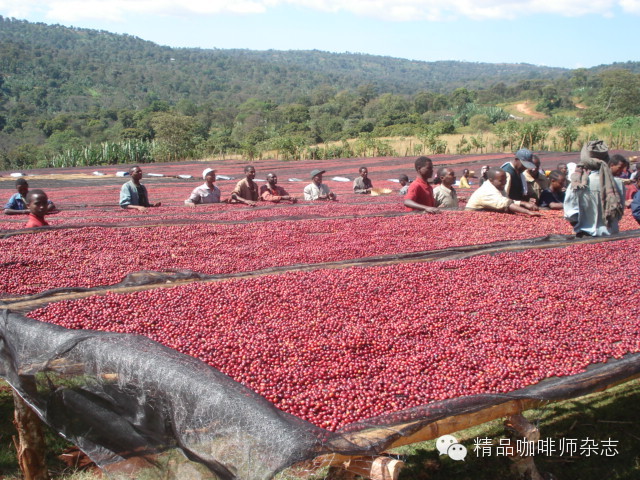
Cochel Ethiopia's famous Arabica Coffee Bean Sigiga Cooperative
Ethiopia is the birthplace of the famous Arabica coffee beans, and people have always maintained the tradition of harvesting wild coffee beans. The coffee garden at an altitude of more than 1500 meters has formed a unique coffee style after thousands of years of evolution and adaptation. Ethiopian coffee grown in the natural wild environment is called wilderness coffee, which retains the most primitive and natural taste of coffee beans.

Sidamo Coffee Taste Ethiopia Sidamo Lion King Coffee has multiple flavors
Ethiopia Sidamo Lion King Natural is comparable to NINETY PLUS's fruit flavors. Sidamo's coffee flavors are very diverse. Different soil types, micro-climate and countless native coffee species make the coffee produced in each town have obvious differences and characteristics. We screened the coffee again and again, and selected this batch for flavor.

Introduction of Coffee Bean growing Environment in Ethiopia
Ethiopian coffee beans grow in close to the natural environment, after years of planting under the same growth conditions, Ethiopian coffee beans have gradually adapted to the environment here. More than 60% of coffee beans are grown in forests or semi-forests. Large-scale coffee-growing villages account for about 35% of the country's total coffee production. Many of these are used.

Full-bodied fruit, rich flavor, aroma, Ethiopian coffee flavor, taste, estate characteristics
In February 1977, Lieutenant Colonel Mengistu Haile Mariam launched a military coup and served as Chairman of the Provisional Military Administrative Council and Head of State. In 1979, the Organization Committee of the Ethiopian Working People's Party, dominated by military personnel, was established to implement a one-party system. In 1984, the Ethiopian Workers 'Party was formed on the model of the Communist Party of the Soviet Union. Mengistu, September 1987

Ethiopia Coffee Bean Flavor Manor introduces Ethiopian boutique coffee beans
Ethiopian coffee beans grow in close to the natural environment, after years of planting under the same growth conditions, Ethiopian coffee beans have gradually adapted to the environment here. More than 60% of coffee beans are grown in forests or semi-forests. Large-scale coffee-growing villages account for about 35% of the country's total coffee production. Many of these are used.

Introduction to the Fine Coffee Flavor Manor of Ethiopia
Ethiopian coffee beans grow in close to the natural environment, after years of planting under the same growth conditions, Ethiopian coffee beans have gradually adapted to the environment here. More than 60% of coffee beans are grown in forests or semi-forests. Large-scale coffee-growing villages account for about 35% of the country's total coffee production. Many of these are used.

Coffee producing and growing areas in Ethiopia
Ethiopian coffee beans grow in close to the natural environment, after years of planting under the same growth conditions, Ethiopian coffee beans have gradually adapted to the environment here. More than 60% of coffee beans are grown in forests or semi-forests. Large-scale coffee-growing villages account for about 35% of the country's total coffee production. Many of these are used.

Introduction to the flavor and taste characteristics of Ethiopian coffee manor with moderate acidity and alkalinity
Sidamo Coffee this coffee grows in areas ranging from 1400 to 2200 meters above sea level on the shoulder slopes of the Rift Valley in East Africa. Natural (sun-cured) and washed coffee are of unique quality, moderate pH and good quality. It is estimated that out of 61000 hectares of cultivated area, the average annual production of this coffee is 37000 tons (equivalent to 620000 bags of 60 kg coffee). Harald

Introduction to the characteristics of Yega Sheffivoka Coffee Flavor Manor in Ethiopia
Yejia Chuefeiwoca [sun Yega Chuefei]: it is recommended to use 15 grams of powder 89 degrees water temperature, small Fuji grind degree 4 pearl V60 filter cup, water powder ratio 1:15, the first water injection 30g, stew 25s, the second water injection 104g water cut off, the second water injection to 230g water, the end of the water, extraction time is about 215g powder 92 degrees water temperature, water is recommended.

The Misty Valley aroma of Yegashefi Mist Manor in Ethiopia amazes the world.
Ethiopia is the country where coffee was first discovered. Today, there is still a lot of wild coffee for farmers to harvest in the virgin forest. Ethiopia is a country with poverty, drought and civil war. However, it is still the most important coffee producer in terms of coffee quality and output, and it is also the best and top coffee producer in the past one or two years. Ethiopian coffee can be divided into two major treatments.

The flavor and taste characteristics of Ethiopian coffee manor with balanced taste and flavor.
In December 1994, the Constitution of the Federal Democratic Republic of Ethiopia was formulated. According to the Constitution, Ethiopia will implement a federal system and a parliamentary cabinet system after the general election for a term of five years. After the national election in May 1995, the Federal Democratic Republic of Ethiopia was established on August 22, and Meles became prime minister in her capacity as chairman of the majority party of the people's House of Representatives. On May 14, 2000, Ethiopia held a national meeting

A brief introduction to the treatment method of grinding degree and roasting degree of fine coffee in Ethiopian coffee manor
Yirgachefe Coffee this coffee grows in areas ranging from 1500 to 2200 meters above sea level. This coffee is washed in a clear stream, carefully selected by hand and exposed to plenty of sunshine. The taste is unique; the fruit is medium-sized, comparable to Mocha. The taste is mellow, the charm is unique, it gives people a fresh feeling, and the market prospect is optimistic. According to estimates, in 4200

Introduction to the unique flavor and taste characteristics of Ethiopian coffee manor
A large amount of coffee production (95%) is done by small shareholders, with an average yield of 561 kg per hectare. For centuries, minority holders of Ethiopian coffee farms have been producing a variety of high-quality types of coffee. The secret of producing high-quality coffee is that coffee growers have developed environmental conditions through generations of repeated learning about the coffee planting process.

Flavor characteristics of G1 grade producing area of Ethiopian boutique coffee sun-dried Feiziao
Professional coffee knowledge exchange more coffee bean information please follow coffee workshop (Wechat official account cafe_style) Arabica coffee is a gift from Ethiopia to the world, they are hidden in the primeval forest, naturally grow, have a long history, the country of origin of coffee is Ethiopia. More than 2500 kinds. So far, Ethiopia still has a lot of wild forest coffee, some

Introduction to the characteristics of Water washing G2 Flavor of Kudi Cooperative in Kafa Forest area of Ethiopia
From the most primitive forest in Ethiopia, Kaffa Region, the Kafa forest in southwestern Ethiopia, to this day, the Kafa forest still maintains the forest appearance of the traditional Ethiopian primeval forest, while retaining a considerable number of native coffee varieties. Many cup testers who have tested the Kafa producing area agree that this producing area has a considerable variety of flavor performance. Located in Ethiopia

Essex Damo Sunshine Flower Kui Sidamo Gucci Fine Coffee Bean Flavor, Flavor and aroma description Jane
Factory name: coffee factory address: Guangzhou Yuexiu District Baoqian Street 10 Qianjie Cafe manufacturer contact: 20-38364473 shelf life: 90 net content: 227g packing: raw and ripe coffee beans in bulk: whether coffee beans contain sugar: sugar-free origin: Ethiopia baking degree: light roasting Ethiopian Sidamo Shakisso Natural country: Ethiopia